Vietnam Strengthens Electricity Sector Enforcement With Fines Up To VND200 Million

Vietnam has introduced stricter penalties for violations in the electricity sector under a new government decree aimed at strengthening regulatory oversight and promoting energy efficiency. The updated rules, issued on 10 April 2026, increase the maximum administrative fine to VND200 million for organisations and will take effect from 25 May 2026. Authorities expect the revised framework to improve compliance with energy management standards and reinforce efforts to use electricity more efficiently across industry and public services.
New Decree Consolidates Electricity Sector Enforcement Rules
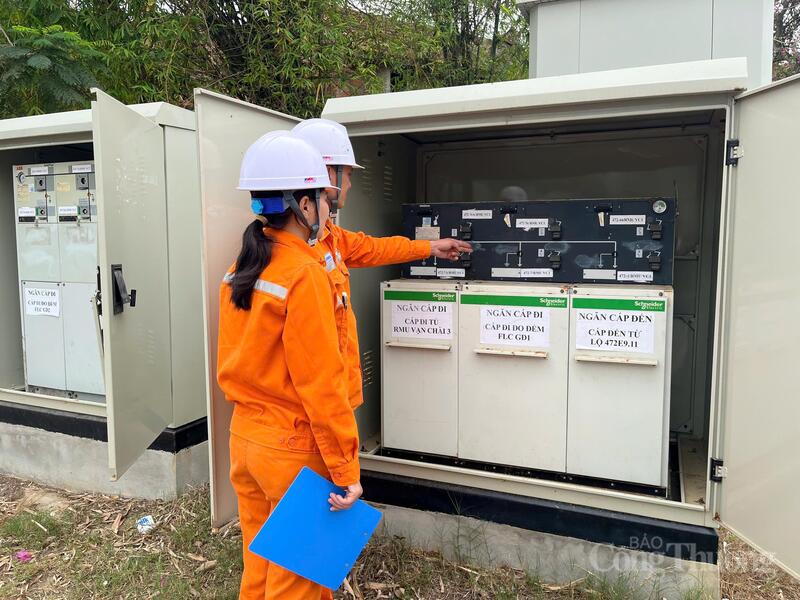
The new regulatory framework is outlined in Decree No 133/2026/NĐ-CP, issued by the government and announced by the Ministry of Industry and Trade. According to details published by the ministry, the decree consolidates earlier provisions including Decree No 134/2013/NĐ-CP and subsequent amendments into a unified regulatory document. The full announcement can be found on the ministry’s official website here.
The regulation defines violations, administrative penalties, and remedial measures across several areas of the electricity sector. Particular attention is given to policies supporting efficient energy use, including requirements for energy audits, energy management practices at large energy-consuming facilities, energy labelling and oversight of energy‑consuming equipment.
Higher Penalties for Non-Compliance
Under the decree, the maximum administrative fine is set at VND100 million for individuals and VND200 million for organisations. In addition to financial penalties, authorities may apply supplementary sanctions such as confiscating violating goods, suspending energy labelling activities for a specified period, or revoking relevant certificates.
Several violations are subject to stricter enforcement, particularly those related to inefficient energy use or failure to comply with regulatory requirements. These include not conducting mandatory energy audits, continuing to operate outdated or inefficient technologies, violating energy labelling rules, or importing equipment that does not meet national standards.
In serious cases, penalties may reach the maximum level alongside corrective measures requiring organisations to address the underlying issue. These provisions aim to discourage practices that undermine national energy efficiency objectives.
Corrective Measures to Address Violations
Beyond financial penalties, the decree outlines a range of remedial actions designed to correct non-compliance. Authorities may require organisations to recall or destroy non‑compliant goods, surrender any unlawful profits gained from violations, or cease the circulation of equipment that fails to meet regulatory standards.
The rules also require the phased removal of outdated technologies that consume excessive energy. These measures align with Vietnam’s broader efforts to modernise industrial systems and strengthen regulatory governance as part of wider digital and economic transformation initiatives. Recent developments, such as Vietnam’s expanding use of digital technologies to support industry and innovation highlighted in AI‑driven business transformation initiatives, reflect the country’s broader push toward more efficient and technology-enabled operations.
The tightening of enforcement also complements wider regulatory reforms, including programmes designed to strengthen oversight in areas such as cybersecurity enforcement and digital governance. Together, these measures illustrate Vietnam’s growing emphasis on stronger compliance frameworks across critical infrastructure and strategic sectors.
Officials expect the updated penalty framework to reinforce discipline within the electricity sector while supporting national objectives for energy conservation, efficient resource use and sustainable development.