Vietnam Considers Accelerating Nationwide Rollout of E10 Biofuel Petrol

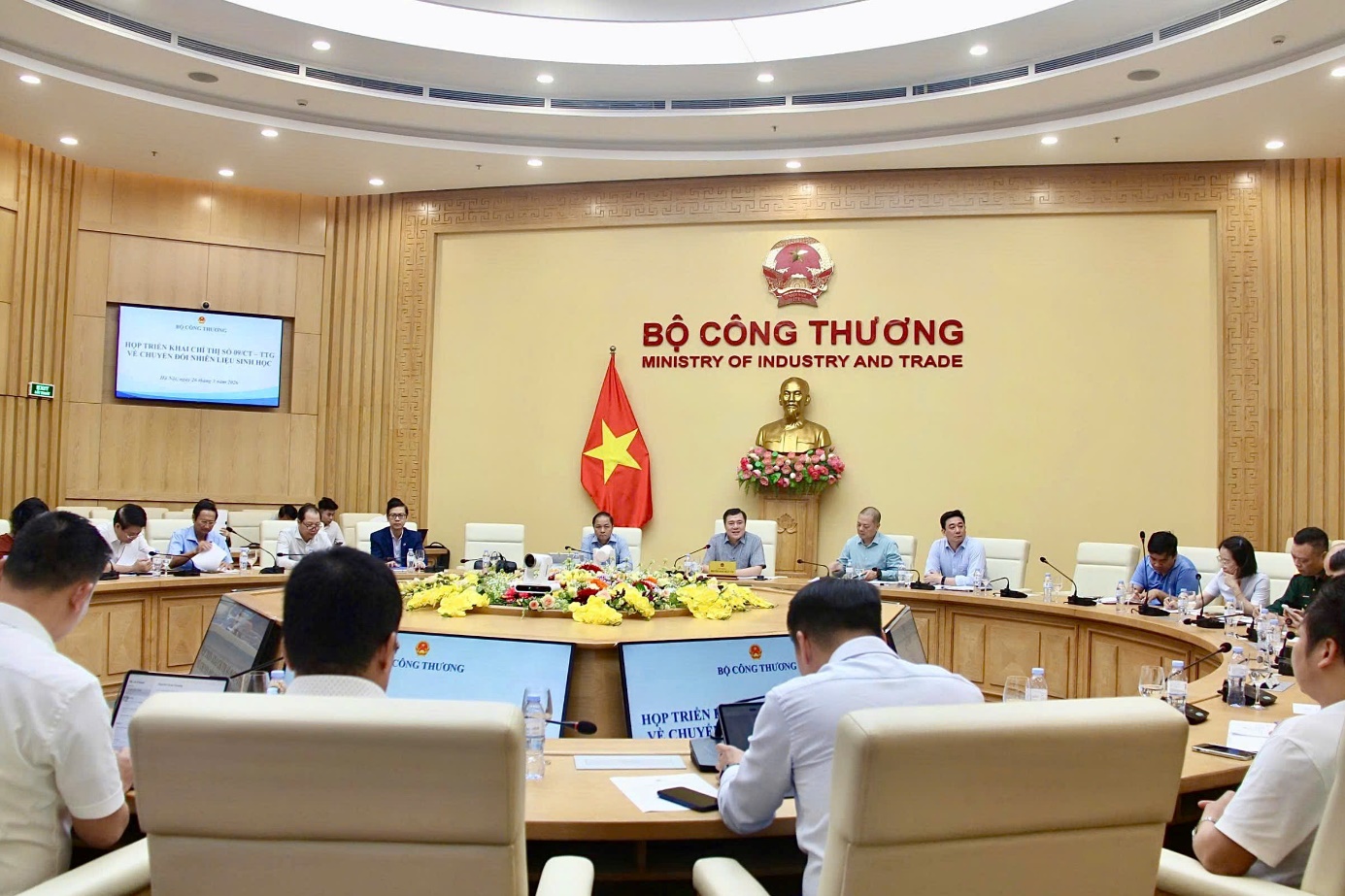
Vietnam’s Ministry of Industry and Trade is considering whether to accelerate the nationwide introduction of E10 biofuel petrol, potentially bringing implementation forward to April 2026. At a recent policy consultation chaired by Deputy Minister Nguyễn Sinh Nhật Tân, government agencies, industry associations and fuel companies reviewed supply capacity, technical standards and market readiness. The discussion forms part of the government’s broader effort to reduce reliance on fossil fuels and advance a greener energy system.
According to information released by the ministry, the consultation examined whether the current transition timetable could be shortened by around one month while maintaining supply stability. Details of the meeting and policy discussions were published by the Ministry of Industry and Trade. The initiative reflects Vietnam’s wider environmental and industrial transition efforts, including projects aimed at developing smart and green infrastructure and modernising the country’s economic base.
Mandatory E10 Blending Requirement From June 2026
Under Decree No. 146/2025/NĐ-CP dated 7 November 2025 and Circular No. 50/2025/TT-BCT issued by the Ministry of Industry and Trade, all unleaded petrol sold in Vietnam must be blended to produce E10 biofuel petrol beginning 1 June 2026. The regulation requires a 10% ethanol blend with petrol for use in gasoline engines nationwide.
Existing E5RON92 biofuel petrol will continue to be produced and sold until 31 December 2030. The transition is intended to expand the use of renewable fuels, support emissions reduction and reduce dependence on conventional petroleum resources.
Ethanol Supply Capacity Remains a Key Constraint
Industry representatives noted that the most significant challenge in accelerating the timetable lies in ethanol supply. Vietnam currently has six ethanol production plants, but only three are operating. While the theoretical combined capacity is about 41,000 cubic metres per month, current production is estimated at around 25,000 cubic metres.
With E10 blending expected to require between 100,000 and 110,000 cubic metres of ethanol per month, domestic output currently meets only about a quarter of projected demand. Even with maximum production across all facilities, local supply would meet roughly 41% of national requirements.
As a result, industry stakeholders expect imports to play a significant role in meeting demand. International ethanol supply is primarily sourced from the United States and Brazil, with established shipping routes that avoid areas currently affected by geopolitical tensions. However, companies highlighted the need to secure import contracts early, as other regional markets—including India, the Philippines, Thailand and China—are also expanding biofuel use.
Fuel Infrastructure and Market Preparation
The Vietnam Petroleum Association reported that its members have blending capacity of approximately 965,000 cubic metres per month, which should be sufficient to supply E10 petrol nationwide. Fuel distributors are investing in blending systems, ethanol storage facilities and distribution infrastructure in preparation for the transition.
Despite this capacity, industry representatives cautioned that biofuel petrol requires additional processing time compared with conventional petrol. Without careful coordination during the transition period, temporary local supply bottlenecks could occur even if overall national capacity is adequate.
Businesses also raised several policy considerations, including adjustments to operating cost calculations for E10, potential revisions to consumption tax structures and updates to technical standards governing oxygen content in petrol blends. These issues are currently under review by relevant ministries.
Technical Standards and Policy Adjustments Under Review
The Ministry of Science and Technology confirmed that it has issued a consultation document seeking feedback on proposed amendments to national technical standards for petrol, including a potential adjustment of oxygen content limits from 3.7% to around 5%. Stakeholders have until 24 April to submit comments before the draft regulation is finalised.
Meanwhile, the Ministry of Finance is reviewing industry proposals related to tax policy, including environmental protection taxes and consumption tax treatment for biofuel blends. Authorities have asked businesses to provide detailed impact assessments to support policy evaluation.
Government Seeks Confirmation of Industry Readiness
Deputy Minister Nguyễn Sinh Nhật Tân emphasised that the nationwide requirement to introduce E10 from 1 June 2026 will remain unchanged. The current discussion focuses solely on whether implementation could occur earlier if supply chains and infrastructure prove ready.
Fuel producers and suppliers have been asked to submit formal reports confirming their ethanol production capacity, supply sources and delivery timelines. These assessments will help authorities determine whether an earlier rollout in April 2026 is feasible.
The move reflects Vietnam’s broader strategy to support sustainable industrial development and modernise critical infrastructure supporting economic growth, including initiatives aimed at strengthening modern digital and industrial infrastructure. In the energy sector, the adoption of biofuel blends is expected to play a role in reducing emissions while maintaining energy security during the country’s ongoing economic expansion.