Thailand Ministries Partner on AI and Digital Innovation to Improve Services for Vulnerable Groups

Thailand’s Ministry of Higher Education, Science, Research and Innovation and the Ministry of Social Development and Human Security have signed a cooperation agreement to apply artificial intelligence and digital technologies to social welfare services. The initiative aims to improve data integration, service accuracy and long-term quality of life for vulnerable groups, including older people, people with disabilities and low-income households. The agreement reflects a broader government effort to translate research into practical tools that reduce inequality and strengthen social protection systems.
The memorandum of understanding was signed on 24 March 2026 at the Ministry of Higher Education, Science, Research and Innovation in Bangkok. According to the official announcement, the partnership focuses on creating an innovation ecosystem aligned with Thailand’s national strategy on lifelong human development.
Linking research to frontline social services
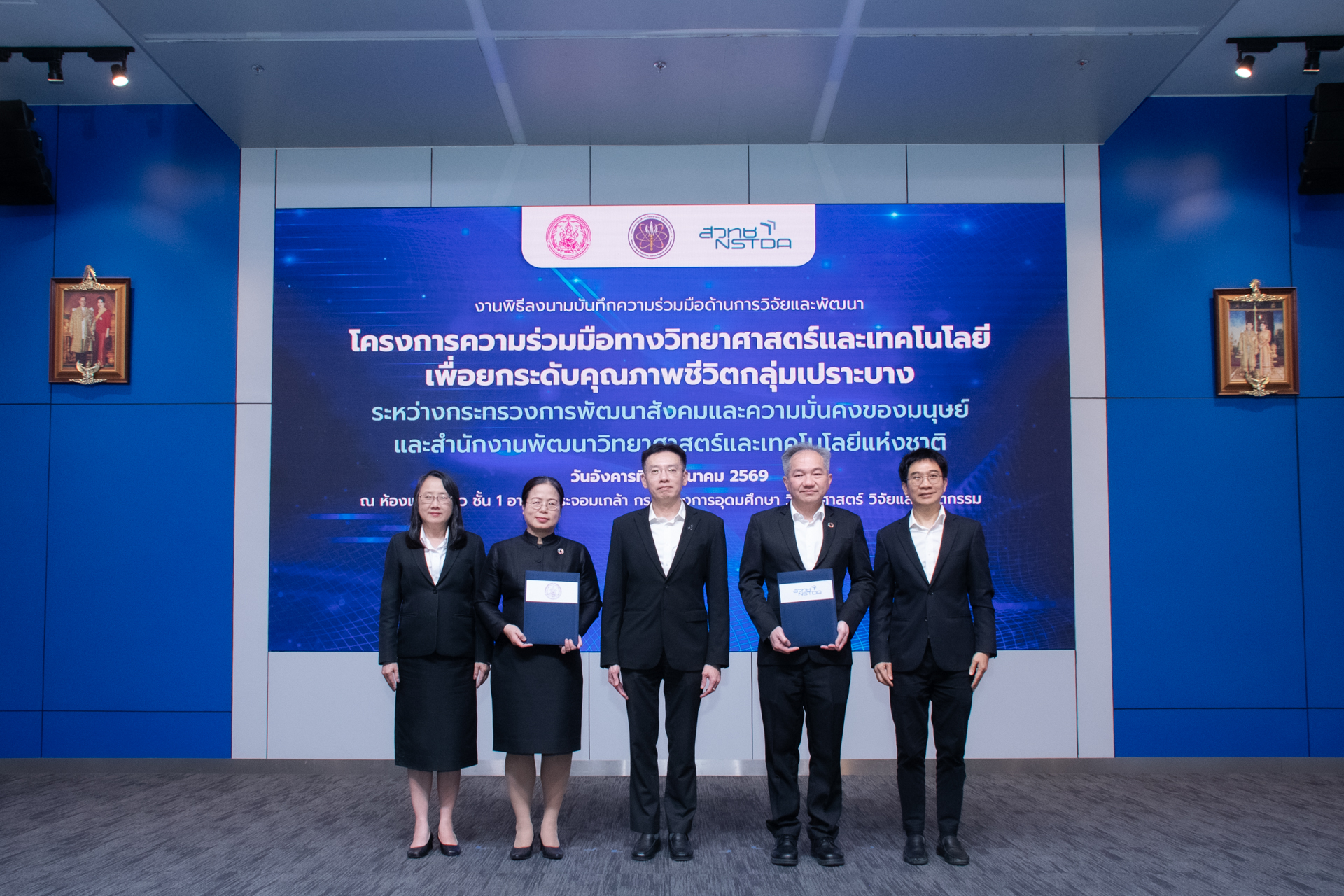
Professor Dr Supachai Pathumnakul, Permanent Secretary of the Ministry of Higher Education, Science, Research and Innovation, said the agreement is designed to move research outcomes into real-world use. He described cooperation with the Ministry of Social Development and Human Security as essential, given its direct responsibility for addressing complex social needs.
“This cooperation is about building an innovation ecosystem that responds to lifelong human development, by taking research off the shelf and applying it where it can reduce inequality and expand access to opportunity,” — Professor Dr Supachai Pathumnakul, Permanent Secretary, Ministry of Higher Education, Science, Research and Innovation
The initiative aligns with wider national efforts to strengthen digital government capabilities, as seen in broader programmes supporting digital infrastructure growth and the application of technology to public services.
Data integration to improve welfare accuracy
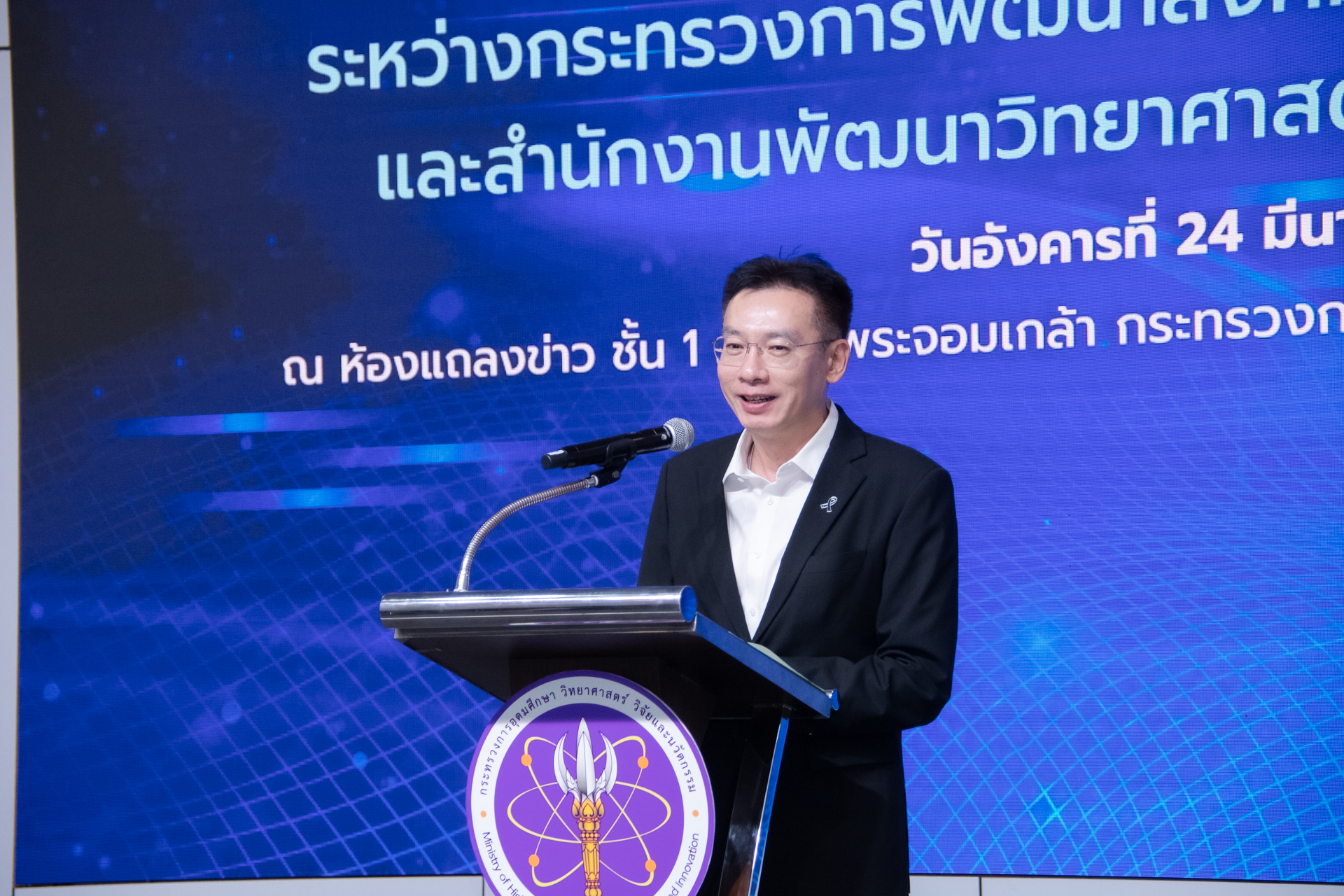
Ms Tuenjai Kongsombat, Deputy Permanent Secretary of the Ministry of Social Development and Human Security, said the integration of digital tools from the National Science and Technology Development Agency would help improve the precision and efficiency of welfare delivery. She highlighted the importance of shared data systems to identify needs more quickly and target assistance more effectively.
“The most important outcome is not the document itself, but the integration of data and tools that allow us to see information more clearly and reach vulnerable groups faster,” — Ms Tuenjai Kongsombat, Deputy Permanent Secretary, Ministry of Social Development and Human Security
A central component of the work is linking the ministry’s electronic family logbook system with digital platforms developed by the National Science and Technology Development Agency. This approach supports continuity of data and seamless verification of welfare entitlements, contributing to more targeted and sustainable social support.
Applying AI and digital tools for vulnerable populations
Professor Dr Chukiat Limpijumnong, Director of the National Science and Technology Development Agency, said the agency would support the programme across four dimensions: economic resilience, self-reliance, inequality reduction and environmental considerations. Ready-to-use innovations will be connected with social development databases to ensure practical impact at community level.
“This cooperation allows us to connect resources and systems in a structured way, so that research becomes a concrete tool for improving quality of life for vulnerable groups across the country,” — Professor Dr Chukiat Limpijumnong, Director, National Science and Technology Development Agency
Technologies referenced under the agreement include AI-based sign language translation to support people who are deaf, intelligent elderly care and nutrition systems, digital health platforms for an ageing society, and assistive technologies for people with disabilities. These initiatives build on earlier collaboration between the agencies dating back to 2019.
The collaboration also reflects Thailand’s broader policy direction on using innovation to support inclusive and sustainable growth, consistent with national priorities highlighted in discussions on digital solutions for a sustainable economy and technology-driven sustainability.