India Expands Millets Innovation And Training Capacity At CFTRI Mysuru

India is expanding its capacity to develop and commercialise millet-based foods through new infrastructure and training initiatives at the Central Food Technology Research Institute (CFTRI) in Mysuru. On 3 April 2026, Union Minister for Science and Technology Dr Jitendra Singh laid the foundation stone for a 30 single-occupancy hostel for trainees while reviewing the institute’s millet research ecosystem. The initiative aims to strengthen skills development for farmers, entrepreneurs and producer organisations while supporting the growth of market-ready food products based on traditional grains.
According to an official announcement published by the Press Information Bureau, the facility will support residential training programmes designed to expand participation from across India, particularly among farmers, self-help groups and food entrepreneurs who may not otherwise have access to accommodation during training.
Residential Training Facility To Support Food Processing Skills
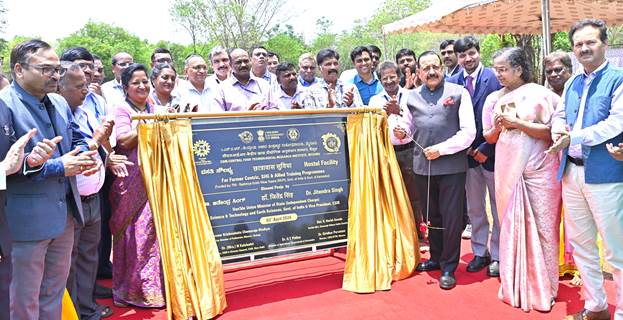
The new hostel complex, located at the institute’s MG Halli campus, will accommodate around 50 participants and include kitchen and dining facilities. Supported under the Rashtriya Krishi Vikas Yojana (RKVY), the project is expected to be completed within one year.
Officials said the facility will allow CFTRI to expand residential training programmes in food processing, entrepreneurship and value addition. The institute already conducts dozens of training sessions each year for farmers, industry stakeholders and start-ups, and the residential format is expected to improve participation and learning outcomes.
The programme aligns with broader national efforts to strengthen skills and innovation capacity, similar to initiatives supporting advanced technology sectors such as developing next-generation chip design talent and building a wider research-driven innovation ecosystem.
Millet Research Moving From Laboratory To Market
During his visit, Dr Singh reviewed the institute’s Millet Centre of Excellence, which focuses on developing processing technologies and new food products based on traditional grains. The centre has introduced innovations that have already entered international food supply chains, including millet-based dishes served by global food brands.
The minister noted that CFTRI’s work demonstrates how traditional crops can be transformed into modern food products that retain nutritional value while meeting contemporary consumer preferences. Millets are naturally rich in iron and protein and are increasingly positioned within India’s food and nutrition strategies.
Integrated Processing Infrastructure For Multiple Millet Varieties
The millet facility, supported by approximately INR 20 crore under RKVY, integrates advanced processing technologies capable of handling all nine millet varieties within a single system. Its infrastructure includes seven processing lines and a dedicated laboratory to support both primary and secondary processing.
Specialised systems enable cleaning, washing, polishing and sorting of grains, as well as the production of value-added foods such as flakes, extruded products, bakery items and semolina. Technologies developed at the centre also extend the shelf life of millet flour from roughly one month to around ten months, improving commercial viability for producers and retailers.
The facility operates with automated processing capacities ranging from 300 kg to 1,000 kg per hour. It can clean 60–70 tonnes of grain daily and mill around 12–15 tonnes, producing flour, semolina and bran in a controlled, hygienic environment designed for industrial-scale efficiency.
Linking Research, Skills And Enterprise Development
The government sees the next stage of development in expanding entrepreneurial ecosystems around these technologies. This includes stronger digital outreach and collaboration with start-ups and micro, small and medium enterprises (MSMEs), particularly in ready-to-eat and urban convenience food markets.
Institutions such as CFTRI have developed hundreds of technologies with potential commercial applications. Policymakers are increasingly focusing on ensuring that these innovations reach markets and generate livelihoods for farmers, women’s groups and small enterprises.
This approach reflects India’s broader strategy of linking research, digital capability and entrepreneurship, similar to efforts aimed at establishing a strong and inclusive national AI ecosystem to support innovation-driven growth.
With growing global attention on climate-resilient crops and sustainable nutrition, millets are emerging as a strategic component of India’s food economy. The combination of research infrastructure, training programmes and industry engagement at CFTRI is intended to help scale millet-based products while strengthening rural livelihoods and food system resilience.