Electric Vehicles and Vietnam’s Energy Transition: Policy, Industry and Market Implications

Vietnam is accelerating the development of electric vehicles (EVs) as part of its broader energy transition and green growth agenda. Recent government directives and policy discussions underline the view that EVs are not simply a consumer product, but a new industrial sector requiring coordinated regulation, infrastructure and market incentives. As energy security pressures increase globally, Vietnam’s approach highlights the links between transport electrification, industrial capability and long-term sustainability.
On 19 March 2026, Prime Minister Pham Minh Chinh issued Directive 09/CT-TTg on strengthening energy efficiency, promoting energy transition and developing electric transport. The directive responds to volatility in global oil, gas and coal markets, which has exposed risks for energy-importing countries, including Vietnam. According to the Ministry of Industry and Trade, the full text of the directive and its policy context are outlined on the official government portal.
Electric vehicles as a pillar of energy security
The directive identifies efficient energy use as a central tool to reduce supply risks and production costs while strengthening national energy security. Targets to 2030 include reducing energy consumption per unit of GDP by 1–1.5% per year, achieving annual electricity savings of at least 3% among major energy users, and ensuring that at least 50% of public transport vehicles in cities transition to electric power.
These objectives sit alongside Vietnam’s commitment to achieve net-zero emissions by 2050. Transport electrification is therefore framed not as an isolated environmental measure, but as part of a wider economic and energy strategy that also supports the country’s digital and industrial transformation, similar in ambition to initiatives such as Vietnam’s 5G expansion.
Building a new industrial ecosystem
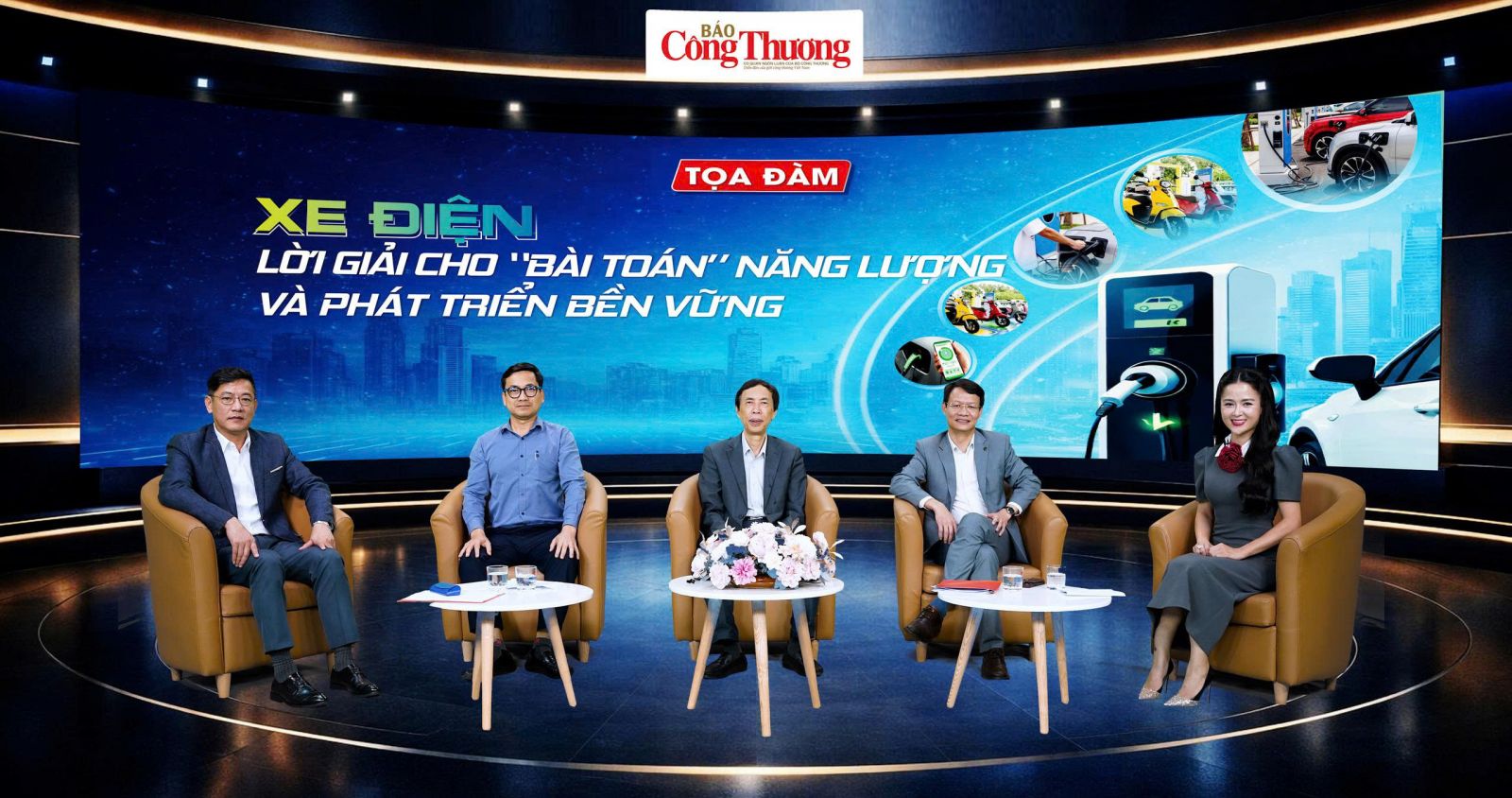
Speaking at a policy roundtable organised by the Ministry of Industry and Trade on 20 March, Pham Van Quan, Deputy Director General of the Department of Industry, emphasised a shift in regulatory thinking.
“Electric vehicles are not just a means of transport or a piece of equipment; they represent a new industry,” — Pham Van Quan, Deputy Director General, Department of Industry, Ministry of Industry and Trade
This perspective has driven efforts to develop technical standards and regulations for charging infrastructure and batteries. By the end of 2025, dozens of relevant standards had been issued, with the remaining legal framework scheduled for completion in 2026. However, officials acknowledge persistent challenges, particularly in deploying charging stations, which require coordination across the power, construction and investment sectors.
Localisation and technology capability
Local content remains a sensitive issue in the EV industry. According to Pham Van Quan, VinFast’s localisation rate reached around 60% by 2025 and could increase to 80% once its battery plant in Ha Tinh becomes operational. Beyond percentages, policymakers stress that the strategic priority is technological mastery, particularly in core areas such as motors, batteries and new materials.
To support this goal, incentive policies are being adjusted to encourage the development of domestic supporting industries. Foreign-invested enterprises seeking preferential treatment are increasingly required to include Vietnamese firms in their supply chains. Currently, around 700 local companies participate in VinFast’s ecosystem, indicating early progress towards a domestic EV industry base.
Market adoption and consumer behaviour
Despite policy support, EV adoption in Vietnam has yet to accelerate at scale. Officials point to consumer behaviour as a decisive factor. Drawing on personal experience, Pham Van Quan compared the shift to EVs with the transition from basic mobile phones to smartphones, noting that users often appreciate the benefits only after adoption.
“In reality, many people who have used electric vehicles do not want to return to petrol vehicles,” — Pham Van Quan, Deputy Director General, Department of Industry, Ministry of Industry and Trade
Experts argue that stronger signals are needed, including prioritising EVs in the public sector, expanding green transport services and providing preferential green credit for consumers. These measures are seen as complementary to Vietnam’s broader efforts to position itself as a regional innovation hub, as reflected in discussions on AI investment and advanced manufacturing.
Infrastructure, energy sources and skills
Vo Tri Thanh, President of the Institute for Brand and Competitiveness Strategy Research, cautioned that EVs are only genuinely low-emission if powered by clean electricity. Otherwise, emissions are merely shifted from transport to power generation. This highlights the need to align EV deployment with renewable energy expansion and grid modernisation.
Human capital is another constraint. As a new, technology-intensive industry, EV manufacturing and operations require updated training programmes and a workforce skilled in electronics, software and energy systems.
Local government implementation
At city level, Hanoi has set a target to convert all taxis to electric vehicles by 2030. According to Nguyen Quang Huy, Deputy Head of the Transport Management Division at Hanoi’s Department of Construction, around 110 potential charging station sites have been identified, mainly in inner-city areas and key transport corridors.
City officials emphasise that vehicle electrification must be integrated with public transport development and private vehicle control. Expanding metro lines, bus and minibus services, and public bicycle infrastructure is seen as essential to meeting urban mobility needs sustainably.
From sectoral policy to economic strategy
Business leaders have called for clearer local roadmaps and targeted support for transport operators and vulnerable groups to ensure an equitable transition. Proposals include preferential tolls, longer vehicle inspection intervals for EVs and early disclosure of local green transition plans to reduce uncertainty for households and firms.
Overall, the development of electric vehicles in Vietnam is increasingly viewed as a system-wide challenge, spanning institutions, technology, markets and people. If managed effectively, it could strengthen industrial capability, enhance energy security and support Vietnam’s broader transition towards a greener and more competitive economy.