India Expands Food Innovation Ecosystem With BIRAC BioNEST Incubation Centre at CFTRI

India has launched a new biotechnology incubation facility at the Central Food Technological Research Institute (CFTRI) in Mysuru to support food technology start-ups and strengthen research–industry collaboration. The BIRAC BioNEST incubation centre is designed to help translate laboratory research into commercially viable products, with a focus on food biotechnology, processing technologies and emerging nutrition solutions. According to the official press release, the facility aims to expand the country’s innovation ecosystem by connecting scientific research with market-ready applications.
The centre was inaugurated by Union Minister of State for Science and Technology Dr Jitendra Singh, who reviewed a showcase of start-up technologies and products developed within the incubation ecosystem. The initiative reflects broader national efforts to strengthen research translation and entrepreneurship, complementing wider initiatives highlighted in India’s science, innovation and technology agenda and policies designed to expand a future-ready start-up ecosystem.
Incubation Facility Designed to Support Food-Tech Start-ups
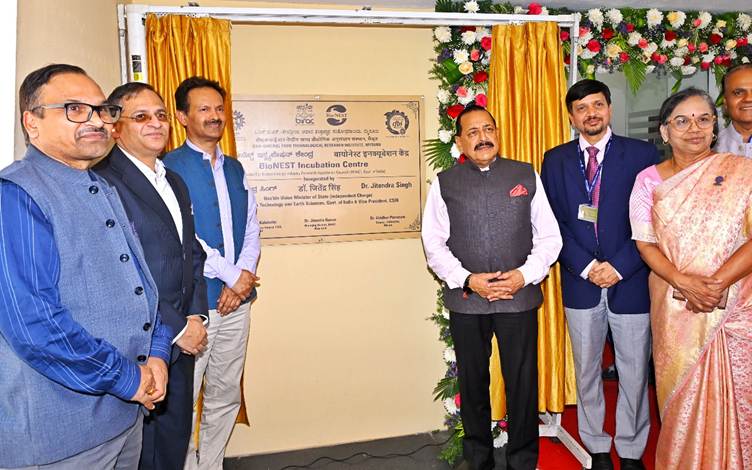
The BioNEST facility has been designed as a dedicated incubation environment with shared laboratories, specialised equipment and collaborative workspaces. It aims to support early-stage companies working in food biotechnology, bioprocessing and related scientific fields while helping them navigate product validation and regulatory processes.
By March 2026, the centre had supported 26 start-ups through physical and hybrid incubation arrangements, including several companies that have already commercialised their products. These firms have collectively filed 12 patents and contributed to scientific publications, reflecting growing activity at the intersection of research and commercial innovation.
Emerging Areas of Food and Biotechnology Innovation
Start-ups within the incubation ecosystem are working across a range of advanced food and biotechnology applications. These include nutraceuticals, precision fermentation, probiotics and postbiotics, CRISPR-based technologies and plant-derived products.
The focus on these areas reflects a broader shift toward science-led food innovation, where biotechnology, nutrition science and advanced processing techniques are increasingly integrated to develop higher-value food products and specialised dietary solutions.
Strengthening Research–Industry Collaboration
During the event, Dr Singh highlighted the importance of sustained collaboration between research institutions and the private sector to ensure that scientific advances reach the market. While starting a venture has become easier in recent years, he noted that long-term success depends on continued value creation, access to markets and strong industry partnerships.
He also emphasised the need for innovation aligned with changing consumer demand, including ready-to-eat and convenience foods. Government initiatives are seeking to expand private sector participation in emerging technology sectors through new funding mechanisms and institutional support frameworks.
Officials also noted that scientific institutions are increasingly encouraged to expand outreach through digital platforms and targeted communication to improve awareness and adoption of new technologies. Greater coordination across sectors such as biotechnology, space and specialised nutrition is also being promoted.
Industry Partnerships and Technology Transfer
The event included the signing of four memoranda of understanding and the launch of two products developed at CFTRI. These partnerships aim to strengthen collaboration with industry and support the commercialisation of indigenous technologies.
Officials indicated that such collaborations are important for expanding the reach of research-driven innovation and for strengthening connections with micro, small and medium enterprises (MSMEs) involved in food processing and related sectors.
CFTRI’s Role in India’s Food Research Landscape
The inauguration coincided with the 75th anniversary of the institute. Publications released during the event documented CFTRI’s research achievements, technology development and historical contributions to food science in India.
Over the years, the institute has developed more than 450 technologies and transferred them to thousands of licensees, supporting industry growth and technology adoption across the food processing sector.
Officials noted that the BioNEST ecosystem is attracting interest both nationally and internationally. Participating start-ups are increasingly taking part in global programmes, securing technology transfers and exploring specialised applications, including food systems for strategic sectors such as defence.
Collectively, these developments indicate a gradual shift toward a more market-oriented food innovation ecosystem, where scientific research, incubation support and industry collaboration operate together to accelerate the development of new food technologies.