
Vietnam saved approximately 463,000 kWh of electricity during the one-hour Earth Hour switch-off from 20:30 to 21:30 on 28 March 2026, according to national electricity consumption data. The figure, reported by the National System and Electricity Market Operation Company (NSMO), is higher than the 448,000 kWh recorded in 2025. Details released by the Ministry of Industry and Trade indicate that the savings were equivalent to roughly VND 1.02 billion, underscoring continued public participation in energy conservation efforts.
The annual campaign has increasingly shifted from a symbolic act to a broader effort aimed at encouraging households, businesses, and public institutions to adopt more efficient energy practices. In 2026, Vietnam marked its 18th year participating in Earth Hour, reinforcing national commitments to environmental protection, climate action, and sustainable resource management.
Energy Security Concerns Shape Policy Focus
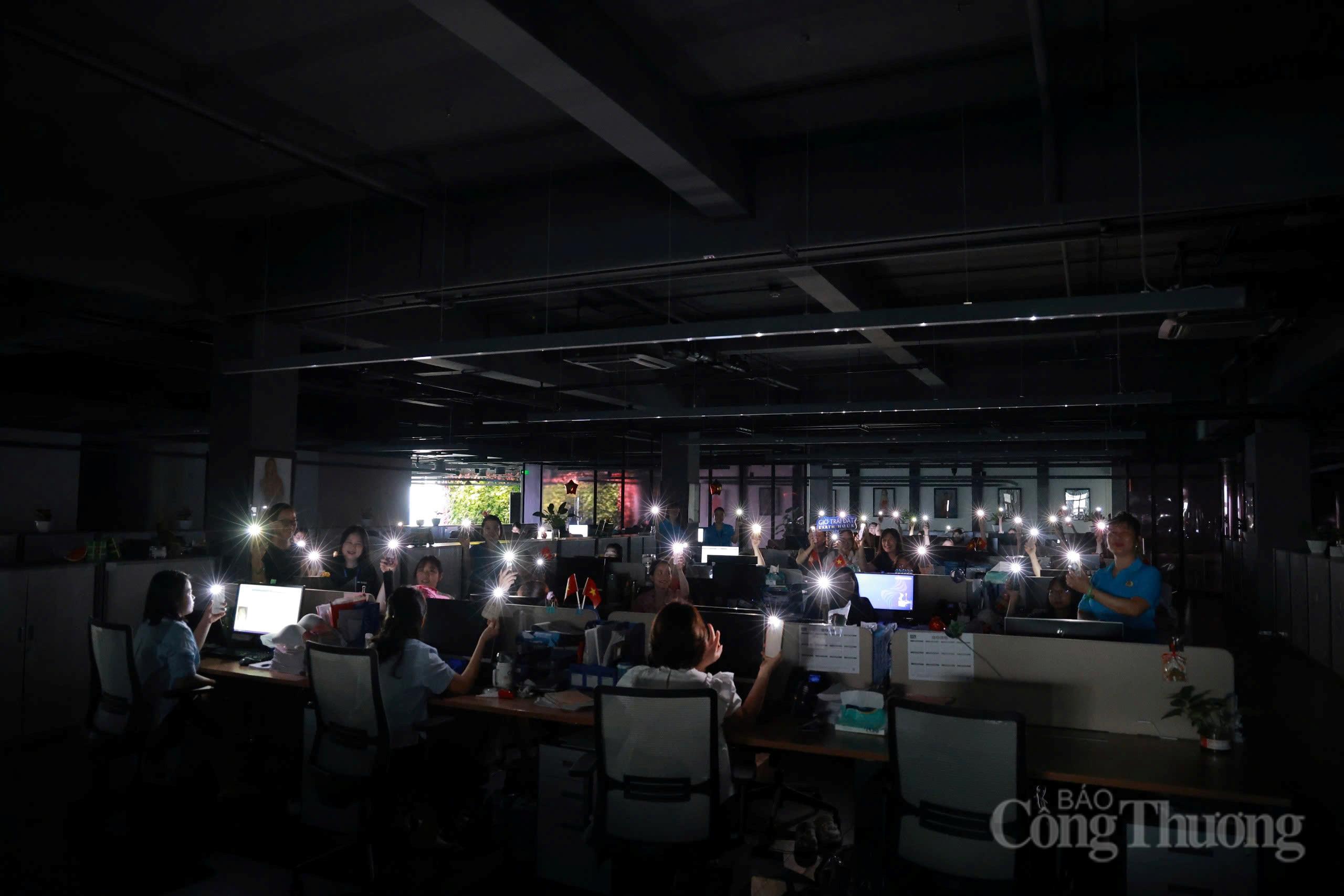
Global political and economic uncertainty, including geopolitical tensions affecting major energy-producing and transit regions, has increased pressure on international supplies of oil, gas, and coal. For countries that rely partly on imported energy, these developments pose risks to supply stability and price predictability.
In this context, energy efficiency is increasingly viewed as a strategic measure. Reducing electricity consumption helps lower production costs, improves economic competitiveness, and strengthens national energy security. Vietnam’s wider sustainability agenda also includes infrastructure initiatives such as cooperation on smart and green ports and aviation, reflecting broader efforts to align economic growth with environmental objectives.
Government Directive Strengthens Energy Efficiency Measures
On 19 March 2026, the Prime Minister issued Directive No. 09/CT-TTg, which calls for stronger action on energy conservation, accelerated energy transition, and the development of electric transport. The directive assigns specific responsibilities to ministries, agencies, and state-owned enterprises, including Vietnam Electricity (EVN).
“Điểm quan trọng của Chỉ thị không chỉ nằm ở các chỉ tiêu cụ thể, định hướng mà ở thông điệp rất rõ là tiết kiệm năng lượng cần được coi là một giải pháp chiến lược, lâu dài để đảm bảo an ninh năng lượng quốc gia” — Ngô Sơn Hải, Phó Tổng giám đốc Tập đoàn Điện lực Việt Nam
According to EVN, 2026 remains a challenging year for the power sector, particularly during peak dry-season months when electricity demand rises and fuel supply conditions can fluctuate. Energy-saving measures are therefore seen as essential to reducing pressure on the power system while ensuring reliable supply for both economic activity and household consumption.
Digital Tools to Support Electricity Demand Management
EVN plans to expand several initiatives aimed at improving electricity demand management, particularly among large energy users that can adjust consumption patterns to reduce system stress. Digital technologies are expected to play an increasing role in helping consumers better understand and manage their energy use.
A unified national customer service platform, including hotline 1558 and a customer application, will allow households and businesses to track electricity consumption by day or month, compare usage with previous billing periods, and receive recommendations on more efficient energy use. These digital approaches reflect Vietnam’s broader momentum in technology adoption, including initiatives where AI supports business growth and digital transformation across multiple sectors.
Community Participation Remains Central to Energy Savings
EVN emphasises that long-term energy efficiency depends on participation from businesses, local authorities, and citizens. For companies, improved energy management can reduce operational costs while helping meet emerging requirements for low-emission and sustainable production.
At the household level, small daily adjustments—such as switching off unnecessary lighting and appliances—can collectively generate significant system-wide savings. When millions of households adopt these practices simultaneously, the cumulative effect can substantially ease pressure on national electricity supply.
Authorities are also considering mechanisms to support the expansion of self-consumption rooftop solar and energy storage solutions. These initiatives aim to diversify supply sources while enabling consumers to participate more actively in the energy transition.
Earth Hour as a Catalyst for Long-Term Behaviour Change
Earth Hour in Vietnam has been organised annually since 2009 by the Ministry of Industry and Trade in coordination with the World Wide Fund for Nature (WWF). The campaign encourages households and businesses to switch off unnecessary lighting and electrical devices for one hour as a visible commitment to climate action.
The 2026 campaign carried the message “Green innovation – Green future”, highlighting the role of innovation and responsible consumption in supporting sustainable development. While the one-hour blackout remains symbolic, policymakers increasingly view the initiative as a reminder that long-term energy security depends on sustained behavioural change and coordinated action across society.